Advantages and Disadvantages of Full Mouth Reconstruction
Full mouth reconstruction is a comprehensive dental treatment that involves restoring or replacing all the teeth in both the upper and lower jaws. This procedure can address various dental issues, including significant decay, gum disease, and aesthetic concerns. Understanding the full mouth reconstruction advantages and disadvantages is essential for anyone considering this transformative dental procedure.
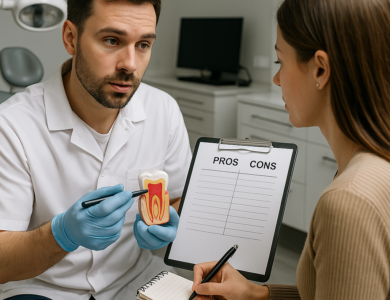
Advantages of Full Mouth Reconstruction
Full mouth reconstruction offers numerous benefits that can significantly enhance one’s oral health and overall quality of life. Some of the main advantages include:
- Improved Aesthetics: Full mouth reconstruction can dramatically improve the appearance of your smile through the use of crowns, bridges, veneers, and dental implants.
- Enhanced Functionality: Restoring all teeth can improve chewing and biting functions, leading to a more enjoyable eating experience.
- Increased Confidence: A beautiful smile can boost self-esteem and confidence, affecting social interactions and personal relationships positively.
- Long-term Durability: Many of the treatments involved in full mouth reconstruction are designed to last for several years, reducing the need for frequent dental procedures.
- Comprehensive Care: Full mouth reconstruction addresses multiple dental issues at once, providing a cohesive treatment plan tailored to individual needs.
Disadvantages of Full Mouth Reconstruction
While there are many advantages, it’s also crucial to consider the disadvantages of full mouth reconstruction. Some challenges may include:
- Cost: Full mouth reconstruction can be expensive due to the extensive treatments involved, including procedures like implants, crowns, and surgeries.
- Time-Consuming: The process often involves multiple visits to the dentist and can take several months to complete, depending on individual needs.
- Pain and Discomfort: Some procedures can cause temporary discomfort or pain, and recovery may require time and adjustment.
- Potential Complications: As with any surgical procedure, there are risks such as infection, allergies, or issues with anesthesia.
- Emotional Strain: The lengthy process and changes to one’s appearance can be emotionally challenging for some individuals.
Who is a Good Candidate for Full Mouth Reconstruction?
Individuals who may benefit from full mouth reconstruction typically include:
- Those with extensive tooth decay or wear
- Patients with missing teeth looking to restore functionality
- Individuals suffering from gum disease
- People wanting to improve the aesthetic appeal of their smiles
FAQ about Full Mouth Reconstruction
Is full mouth reconstruction the same as a smile makeover?
No, while both procedures aim to improve aesthetics and functionality, a smile makeover primarily focuses on cosmetic enhancements without necessarily addressing functional issues.
How long does recovery take after full mouth reconstruction?
Recovery time varies per individual and complexity but typically ranges from several weeks to a few months, depending on the procedures performed.
Will insurance cover full mouth reconstruction?
Insurance coverage may vary significantly, so it’s crucial to consult your insurance provider for specific details regarding coverage options and potential out-of-pocket costs.
How can I maintain my results after a full mouth reconstruction?
Maintaining good oral hygiene, scheduling regular dental check-ups, and sticking to prescribed dental care routines will help preserve your results.
In conclusion, full mouth reconstruction offers numerous advantages, including improved aesthetics and functionality. However, potential candidates should weigh these benefits against the disadvantages, such as cost and recovery time. Always consult with a dental professional to determine the best course of action for your dental needs.
To see inspiring before-and-after photos about oral and dental health, visit docintur.com.