
All-on-4 Dental Implants vs Traditional Implants: Which Is Better?
Choosing between all-on-4 dental implants and traditional implants can be a daunting task, especially when you consider factors like cost, recovery time, and overall effectiveness. Both options have their advantages and nuances, so let’s dive deeper into the all-on-4 dental implants vs traditional implants debate to help you make an informed decision.
What Are All-on-4 Dental Implants?
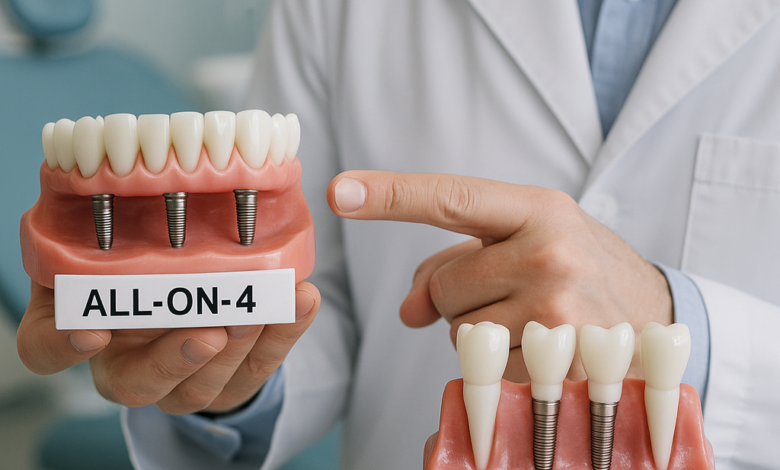
All-on-4 dental implants are a revolutionary solution designed to replace an entire arch of teeth using just four implants. This technique allows for greater stability and support and can often be done in a single day.
Advantages of All-on-4 Dental Implants
- Quick Treatment: Most patients can receive their permanent prosthesis within 24 hours.
- Minimal Bone Loss: Requires less bone compared to traditional implants which often require bone grafts.
- Cost-Effective: Fewer implants mean lower overall costs.
- Immediate Functionality: Patients can often use their new teeth the same day.
What Are Traditional Implants?
Traditional implants involve placing individual implants for each tooth or a series of implants to support a bridge. This method has been the gold standard for dental restorations for years.
Advantages of Traditional Implants
- Customizable: Each implant can be tailored to fit the specific needs of the patient.
- Long-Lasting: Proper care can lead to decades of durability.
- More Natural Feel: Individual implants can offer a more natural sensation for some patients.
- Higher Success Rate: Generally considered highly successful when the patient has sufficient bone density.
Key Differences Between All-on-4 Dental Implants and Traditional Implants
- Number of Implants: All-on-4 uses four implants for an entire arch, whereas traditional implants can involve numerous implants.
- Treatment Time: All-on-4 can be completed in a single day, while traditional implants often require multiple visits over several months.
- Bone Grafting Needs: All-on-4 often avoids the need for bone grafts, while traditional implants may necessitate them if bone density is low.
- Cost: All-on-4 can be more cost-effective than traditional implants due to fewer materials and visits required.
Which One Is Better for You?
The choice between all-on-4 dental implants and traditional implants ultimately depends on various factors, including your oral health, bone density, and personal preferences. Here are some considerations:
- If you require an entire arch of teeth and want quicker results, all-on-4 might be the better option.
- If you prefer customizing each tooth or have enough bone for multiple implants, traditional implants may suit you better.
Final Thoughts
When comparing all-on-4 dental implants vs traditional implants, understanding your dental needs and goals is essential for making the right choice. Consult with a dental professional to discuss your options thoroughly.
Frequently Asked Questions
Are all-on-4 implants as durable as traditional implants?
Yes, when placed correctly, all-on-4 implants can be just as durable and long-lasting as traditional implants.
Is the recovery time different for all-on-4 and traditional implants?
Yes, recovery time for all-on-4 implants is often shorter because the procedure is less invasive and can be completed in one visit.
Can I bite down on food immediately after getting all-on-4 implants?
Yes, patients typically can use their new teeth the same day, although it’s advisable to start with softer foods initially.
How much does each option cost?
The cost of all-on-4 implants can be lower than traditional implants due to fewer implants needed, but prices vary based on location and specific dental needs.
To see inspiring before-and-after photos about oral and dental health, visit docintur.com.