
Zirconium Crowns Cost in Spain in 2025: Prices & Options Explained
If you are considering dental procedures in Spain, you may have come across zirconium crowns as a viable option for restoring your smile. In this article, we will explore the zirconium crowns cost in Spain, including the factors that influence pricing and various options available.
What Are Zirconium Crowns?
Zirconium crowns are dental restorations made from zirconia, a durable and aesthetic material that mimics the appearance of natural teeth. They offer a strong and biocompatible solution for individuals needing dental crowns, making them increasingly popular in Spain and worldwide.
Factors Influencing Zirconium Crowns Cost in Spain
The cost of zirconium crowns in Spain can vary significantly based on several factors:
- Location: Prices may differ from one city to another. Major cities like Madrid and Barcelona typically have higher costs due to demand and living expenses.
- Dental Clinic Reputation: Established clinics with experienced specialists may charge a premium compared to newer or less-known practices.
- Complexity of the Procedure: Additional treatments required before placing the crown, such as root canals or gum therapy, can increase the overall cost.
- Materials Used: While zirconium itself can be costly, different manufacturers and product qualities may influence the final price.
- Insurance Coverage: Dental insurance plans in Spain may cover part of the cost, affecting out-of-pocket expenses for patients.
Average Cost of Zirconium Crowns in Spain
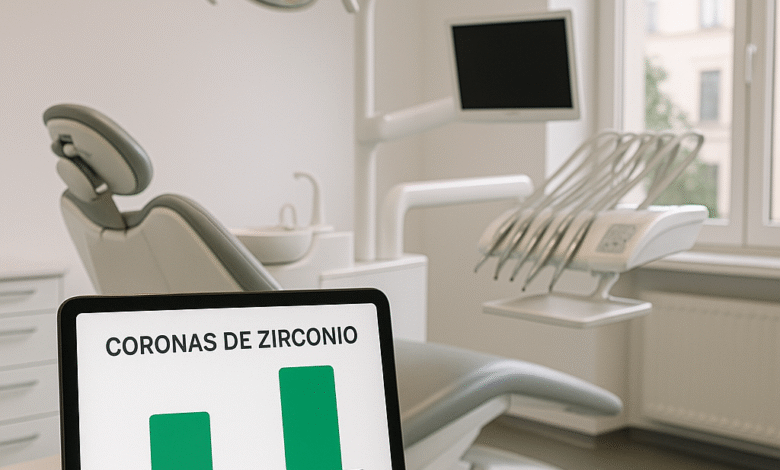
Generally, the average cost of zirconium crowns in Spain ranges from €300 to €700 per crown. This price may vary based on the factors mentioned earlier:
- In Madrid and Barcelona, the price can reach up to €800 per crown.
- Smaller cities may offer prices as low as €250 per crown, but expect variability in quality and service.
Options for Dental Crowns in Spain
If you’re looking for alternatives to zirconium crowns, there are other types of dental crowns available:
- Porcelain Crowns: They offer a natural appearance but may not be as durable as zirconium.
- Metal Crowns: More affordable but have a less aesthetic appeal.
- Composite Resin Crowns: Temporary and less durable, used primarily for short-term fixes.
Benefits of Zirconium Crowns
Choosing zirconium crowns comes with several advantages:
- Durability: They are more resistant to wear and tear compared to traditional crowns.
- Aesthetics: Zirconium crowns can be made to match the natural color of your teeth.
- Biocompatibility: They are less likely to cause allergic reactions or gum irritation.
Conclusion
Understanding the zirconium crowns cost in Spain is crucial for making informed dental decisions. With prices ranging widely based on location, clinic, and specific dental needs, it’s essential to consult with a dental professional to get the best advice tailored to your situation.
Frequently Asked Questions (FAQ)
1. Are zirconium crowns covered by insurance in Spain?
Many dental insurance plans offer partial coverage for zirconium crowns, but it is essential to check with your provider to understand the specifics.
2. How long do zirconium crowns last?
With proper care, zirconium crowns can last between 10 to 15 years or even longer.
3. Is the procedure for placing a zirconium crown painful?
The procedure is performed under local anesthesia, so you should not feel any pain during the process. Some discomfort may occur afterward, but it is usually manageable.
4. Can I eat normally after getting a zirconium crown?
Yes, zirconium crowns are durable, and you can eat normally. However, it is advisable to avoid extremely hard or sticky foods immediately after the procedure.
To see inspiring before-and-after photos about oral and dental health, visit docintur.com.